

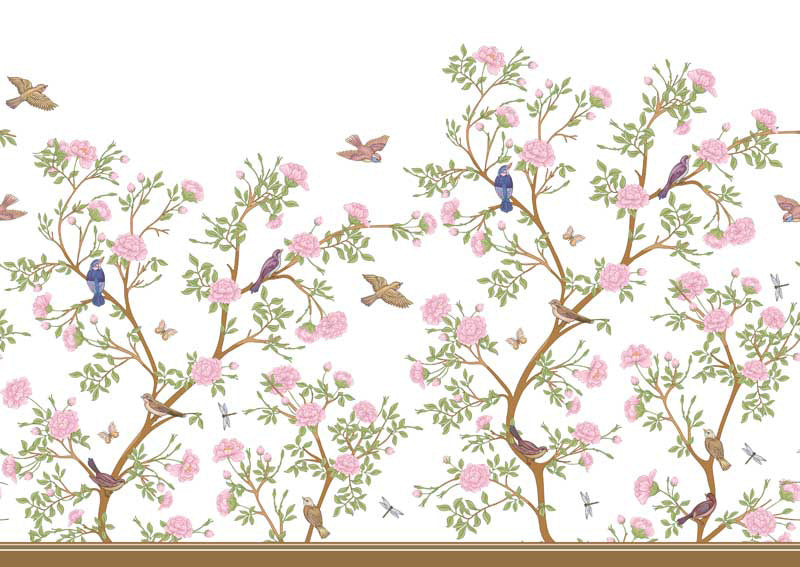
Small rooms present unique design challenges. Limited space, lower ceilings and reduced natural light can make interiors feel cramped or unfinished if not handled carefully. In Australian apartments, townhouses and compact homes, wallpaper has become a powerful tool for transforming small rooms without structural changes.
When chosen thoughtfully, wallpaper does not make a space feel smaller. Instead, it can enhance light, add depth and visually expand the room. This guide explains how to use wallpaper in small rooms to create interiors that feel open, balanced and considered.
Why Wallpaper Works in Small Spaces
Wallpaper introduces depth in a way paint cannot. Pattern, texture and tonal variation create visual movement, preventing walls from feeling flat.
In small rooms, the goal is not to hide the size of the space but to enhance it. Wallpaper helps guide the eye, define proportions and soften hard edges. When applied strategically, it can make compact rooms feel more intentional and visually larger.
Custom wallpaper printed to size in panels also allows designs to be scaled precisely to the room, avoiding awkward repetition or cropped motifs.
Choosing the Right Wallpaper Scale
Scale is one of the most important considerations when wallpapering a small room.
Large-scale patterns often work better than small, busy designs. Oversized motifs give the eye something to focus on and reduce visual clutter. Small repeating patterns can sometimes make a room feel busier and more confined.
Murals and expansive designs are particularly effective in small spaces because they create the illusion of depth, especially when the composition flows naturally across the wall.
Light Colours and Tonal Designs
Light does not mean plain. Soft, tonal wallpapers add interest without closing in the space.
Warm neutrals, muted pastels and light earthy tones reflect natural light and help rooms feel open. Avoid stark whites or flat colours that can appear harsh under Australian light conditions.
Tonal designs, where pattern and background sit close in colour, create subtle depth while maintaining a sense of calm and spaciousness.
Using Vertical and Horizontal Patterns
Pattern direction plays a key role in how a room is perceived.
Vertical patterns draw the eye upward, making ceilings appear higher. This works particularly well in small bedrooms, hallways and entryways with lower ceilings.
Horizontal patterns can widen narrow rooms, creating a sense of openness. These designs are effective in corridors or compact living areas where width feels limited.
Choosing the right orientation helps correct proportions without altering the physical structure of the room.
Feature Walls in Small Rooms
A single feature wall is often the most effective approach in small spaces. It adds personality and depth without overwhelming the room.
Ideal feature wall placements include the wall behind a bed, the wall opposite the entry point or the wall at the end of a narrow room. This draws attention outward, visually extending the space.
Feature wall wallpaper also allows bolder design choices without committing to full room coverage.
Mirroring Light and Creating Depth
Wallpaper designs that include soft gradients, organic movement or subtle contrast can create the illusion of depth. This helps small rooms feel layered rather than boxed in.
Textured wallpapers diffuse light and reduce glare, creating softer visual transitions between walls and furnishings. Designs inspired by natural materials such as linen, stone or plaster perform particularly well in compact spaces.
Avoid overly high contrast designs, which can visually break the space into smaller sections.
Wallpaper in Small Bathrooms and Powder Rooms
Small bathrooms and powder rooms are ideal places to experiment with wallpaper. Because these spaces are used briefly, they can handle stronger visual statements.
Dark colours, bold patterns and expressive designs often work surprisingly well in compact bathrooms, especially when paired with good lighting and lighter fixtures.
Wallpaper should be placed on walls not exposed to running water or direct steam, ensuring longevity and visual impact.
Hallways, Entryways and Transitional Spaces
Hallways and entryways are often narrow and overlooked, yet wallpaper can transform them into standout spaces.
Using wallpaper at the end of a hallway creates a visual destination, making the space feel longer. Lighter designs prevent enclosed areas from feeling heavy, while patterned wallpapers add interest without the need for artwork.
These transitional spaces benefit greatly from wallpaper that guides movement and enhances flow.
Wallpaper Materials for Small Rooms
Material choice influences how wallpaper behaves visually. Paste the wall non woven wallpaper offers a refined, matte finish that works well in permanent installations. Peel and stick removable wallpaper is ideal for renters or those who want flexibility in small spaces.
Both materials allow wallpaper to be printed to order in panels, ensuring designs fit precisely and feel intentional rather than temporary.
Proper wall preparation is essential to achieving a clean, seamless result, particularly in small rooms where imperfections are more noticeable.
Avoiding Common Mistakes in Small Spaces
Overcrowding the room with furniture, artwork and heavy patterns can undermine the effect of wallpaper. Simplicity and balance are key.
Avoid using too many competing colours or patterns. Let the wallpaper do the visual work, and keep surrounding elements relatively calm.
Planning placement, scale and colour in advance helps ensure the wallpaper enhances the space rather than dominating it.
Designing Small Rooms with Confidence
Small rooms deserve as much design attention as larger spaces. Wallpaper offers a flexible and powerful way to elevate compact interiors, making them feel considered, functional and visually open.
When chosen with intention, wallpaper transforms small rooms into spaces that feel inviting rather than limiting.
Kaleon Wallpaper designs and prints custom wallpaper and wall murals in Sydney, Australia, offering both paste the wall non woven wallpaper and peel and stick removable wallpaper suitable for apartments, townhouses and compact homes.


