

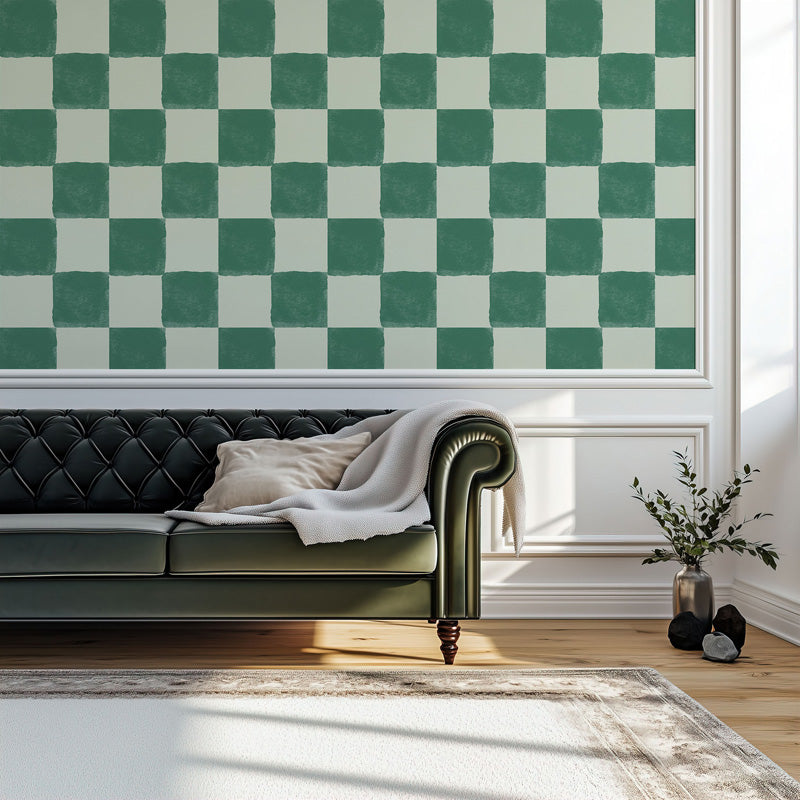
Custom wall murals have become one of the most powerful tools in contemporary interior design. Unlike standard wallpaper patterns, murals are designed to work as a single, cohesive composition, transforming walls into immersive visual experiences.
In Australian homes and commercial environments, wall murals are increasingly used to define space, express identity and create memorable interiors. From feature walls in living rooms to large-scale installations in offices, hospitality venues and retail spaces, custom murals offer design freedom that goes far beyond decoration.
This article explores how custom wall murals transform spaces, where they work best and why they have become a key element in modern interior design.
What Is a Custom Wall Mural
A custom wall mural is a wallpaper design created specifically for a wall’s dimensions rather than a repeating pattern. The artwork is scaled and positioned to suit the exact width and height of the wall, ensuring the design reads as intended.
Unlike standard wallpaper, murals do not rely on repetition. They tell a visual story across the wall, whether through abstract compositions, landscapes, illustrated scenes or artistic textures.
Because murals are custom printed to size in panels, they integrate seamlessly with architectural features such as ceilings, doors and windows.
Why Custom Murals Are Different from Standard Wallpaper
The key difference between murals and traditional wallpaper lies in intention. Wallpaper patterns are designed to repeat indefinitely, while murals are designed to be experienced as a whole.
Murals create impact instantly. They draw the eye, anchor the room and often eliminate the need for additional wall art. This makes them particularly effective in spaces where a strong visual statement is desired.
Custom murals also allow greater control over scale, colour balance and composition, ensuring the final result complements the space rather than overpowering it.
Using Wall Murals in Residential Spaces
In homes, wall murals are often used to create feature walls that define key areas. Living rooms benefit from murals that add depth and atmosphere, especially in open plan layouts where large walls can feel empty.
Bedrooms use murals to create calm, immersive backdrops behind beds, replacing traditional headboards or artwork. Kids rooms and nurseries often feature illustrative murals that spark imagination while maintaining visual balance.
Hallways and stairwells also offer opportunities for murals, turning transitional spaces into design moments rather than overlooked areas.
Wall Murals in Commercial Interiors
Commercial spaces use wall murals to communicate brand identity and create memorable experiences. Offices, hospitality venues, retail stores and wellness spaces all benefit from murals that reflect their values and atmosphere.
In offices, murals can reinforce company culture, create inspiring environments and define collaborative zones. In hospitality spaces such as cafes, restaurants and hotels, murals become focal points that enhance ambience and customer experience.
Retail environments use murals to support visual storytelling, guiding customers through the space and strengthening brand recognition.
The Role of Scale and Composition
Scale is one of the most important factors in mural design. A mural that is too small can feel lost, while an oversized design can overwhelm the space.
Custom murals are designed to respond to the wall’s proportions, viewing distance and surrounding elements. This ensures key visual elements sit comfortably within the space and remain legible from different angles.
Careful composition allows murals to feel architectural rather than decorative, becoming part of the room’s structure.
Choosing the Right Mural Style
Mural styles vary widely and should be chosen based on the function and mood of the space.
Abstract murals offer flexibility and suit contemporary interiors. Scenic or landscape murals create a sense of depth and calm, often used in living rooms and bedrooms. Illustrative murals are popular in kids rooms and creative commercial environments.
Textural murals that mimic materials such as plaster, stone or fabric provide subtle sophistication without strong imagery, making them ideal for minimalist spaces.
Colour Considerations for Wall Murals
Colour selection plays a critical role in mural success. Murals should respond to natural and artificial light, existing finishes and the emotional purpose of the room.
In Australian interiors, murals often feature warm neutrals, earthy tones and muted colours that work well with abundant daylight. Darker murals can add drama and intimacy when balanced with lighter surrounding elements.
Custom printing allows colours to be refined to suit the specific lighting conditions of the space.
Material Options and Installation
Custom wall murals are available in different materials depending on the project requirements. Paste the wall non woven wallpaper is commonly chosen for permanent installations due to its stability and refined finish. Peel and stick removable wallpaper offers flexibility for temporary spaces, rentals or frequently changing environments.
Murals are printed in panels to allow precise installation and alignment. Proper wall preparation and professional installation are recommended for large-scale murals to ensure a seamless result.
Residential and Commercial Longevity
Murals are often selected for their long-term visual impact rather than short-term trends. A well-chosen mural can remain relevant for years, adapting to changes in furniture and styling.
In commercial spaces, murals also support branding and identity, making them a strategic design investment rather than a purely aesthetic choice.
Transforming Space Through Design
Custom wall murals change how spaces are experienced. They add depth, emotion and narrative, turning walls into active design elements rather than passive backdrops.
Whether used in a home or a commercial environment, murals offer a powerful way to express identity, enhance architecture and create spaces that feel intentional and memorable.
Kaleon Wallpaper creates custom wallpaper and wall murals printed in Sydney, Australia, offering both paste the wall non woven wallpaper and peel and stick removable wallpaper for residential and commercial interiors.


